Just a few meters from Vermogno lies a place unlike any other in the world, where the power of nature intertwines with a millennia-old history of gold, hard work, and ingenuity. The Bessa Nature Reserve is a fascinating plateau that preserves the remains of one of the largest open-pit gold mines of the Roman Empire.
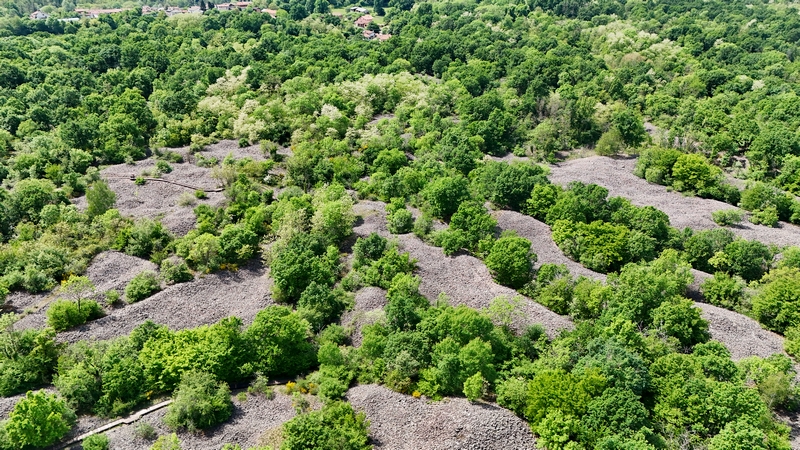
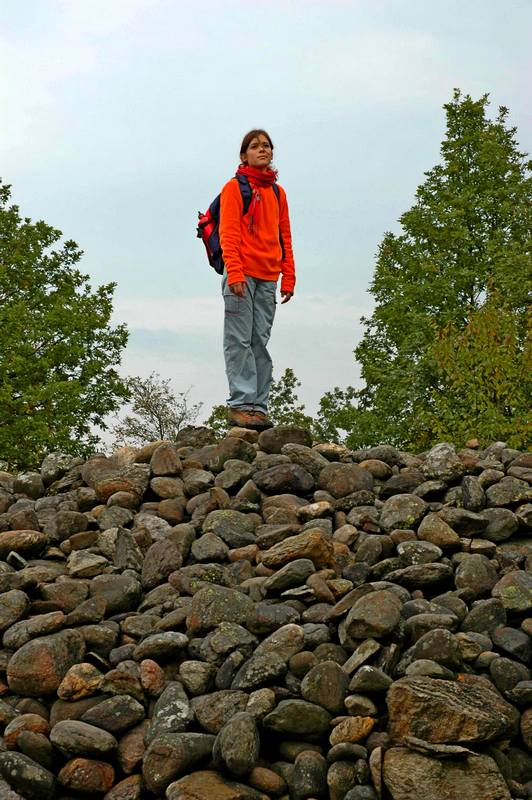
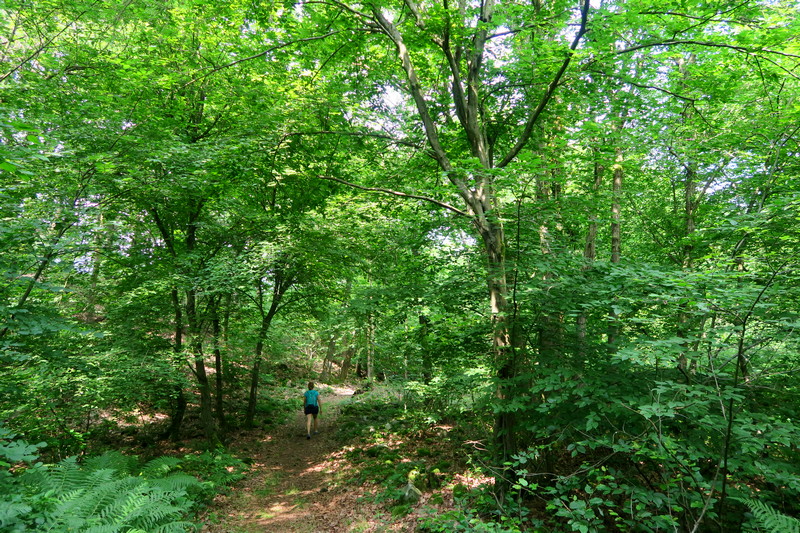
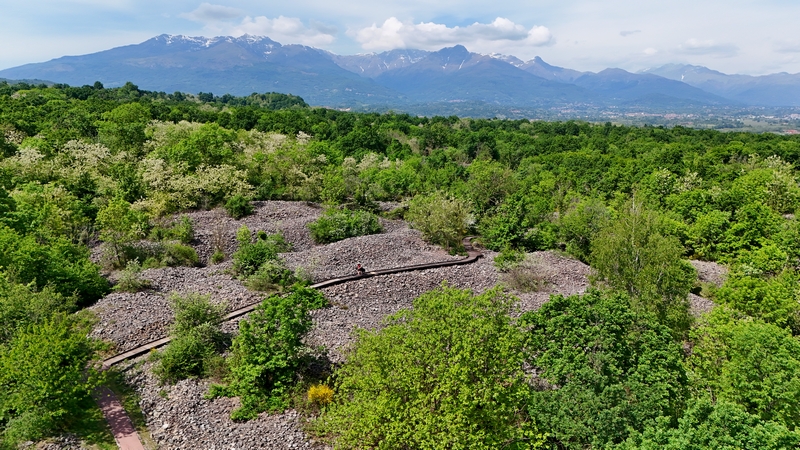
Walking along its trails today, your gaze is drawn to an almost lunar landscape: imposing mounds of rounded pebbles, up to ten meters high, alternate with dense, lush vegetation that has reclaimed the area over time.
Between the 2nd and 1st centuries B.C., the Romans drastically altered this territory to extract the precious metal. Thousands of slaves and laborers (belonging to the local Vittimuli people) washed the glacial sediments using a complex network of water channels, leaving behind the piles of discarded stones that we still see today. But the history of La Bessa goes back even further: the erratic boulders in the reserve bear mysterious cup-shaped rock carvings (coppelle), evidence of ancestral cults linked to the earth and water.